
If you ask someone from North Africa about their identity, you’ll likely get a mix of answers.
Some will say they’re Arab. Others will quickly correct you, and say “We’re Amazigh!”
So why the split?
Behind those different answers is the story of a people who’ve shaped empires, resisted colonizers, and held on to their cultural identity across centuries of change. It’s one of the most layered identity stories in the modern world.
Today’s focus? The Amazigh people (often known as “Berbers”). But most Amazigh aren’t fans of the term “Berbers” because it was given to them by outsiders and comes from the Greek word barbaros (which means “barbarian”). So throughout this post, we’re sticking with Amazigh, which means “free people.”
Who Are the Amazigh?
The Amazigh are the indigenous people of North Africa — from Morocco and Algeria to Libya and beyond. They call their homeland Tamazgha, while the world often calls it the Maghreb.
With a population of over 35 million, the Amazigh have lived in the region for thousands of years. They’ve acted as a vital bridge between Sub-Saharan Africa, the Arab world, and Europe — shaping trade, knowledge, and culture.
However, unlike countries like Turkey or Indonesia (which embraced Islam without fully changing their native cultures), North Africa went through both Islamization and Arabization — two very different processes. And that’s where the identity tension begins.
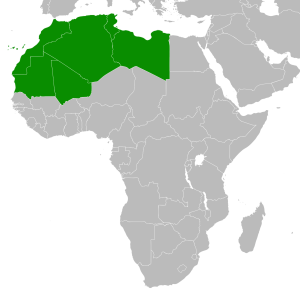
Map of Tamazgha
A Quick Timeline: Four Eras of Amazigh History
Over the centuries, Amazigh history has unfolded across four major eras:
Ancient Period (958 BC – 500 AD)
They lived under empires like the Phoenicians and Romans, and contributed heavily to early Christianity. St. Augustine, one of the key figures in Christian theology, was Amazigh from Algeria.Islamic Period (700s – 1800s)
The Arabs, led by the Umayyad Caliphate, began expanding into North Africa. Amazigh tribes resisted fiercely, especially Queen Kahina (Dihya), who famously drove the Arabs out of Algeria for over a decade.But eventually, Islam spread, and many Amazigh converted and some ome even rose to power. In 711, it was mostly Amazigh troops under Tariq ibn Ziyad who led the conquest of Iberia.
Still, the Arabs often treated Amazigh converts as second-class Muslims, leading to the Berber Revolt in 743.
After that? The Amazigh said, “We got this,” and started building empires of their own:
The Almoravids: Expanded from the Sahara to Spain and conquered the Ghana Empire.
The Almohads: Their leader, Abdal-Mu’min, was the first non-Arab to claim the title of Caliph, a direct challenge to Arab Islamic authority.
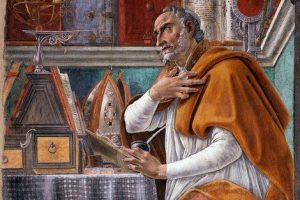
Painting of St. Augustine
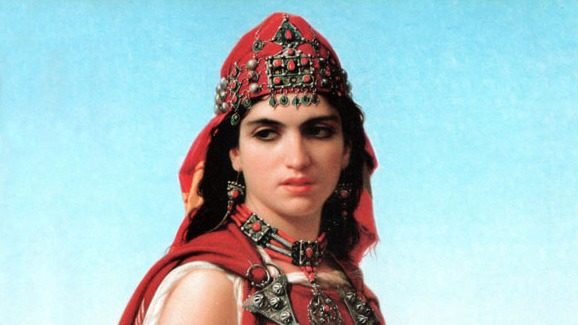
Painting of Queen Kahina (Dihya)
Amazigh Culture
Amazigh identity isn’t monolithic. Like their landscapes, from mountains to deserts, their cultures are diverse but deeply connected.
Language: They speak dialects of Tamazight, written in the ancient Tifinagh script.
Flag: A symbol of unity across tribes, featuring the yaz (ⵣ) — meaning “free man.”
Ethnic Subgroups: The largest are the Northern Amazigh and the Tuareg:
Northern Amazigh (Morocco & Algeria): Known for highland villages, ancestral councils (Jama’ah), and agriculture.
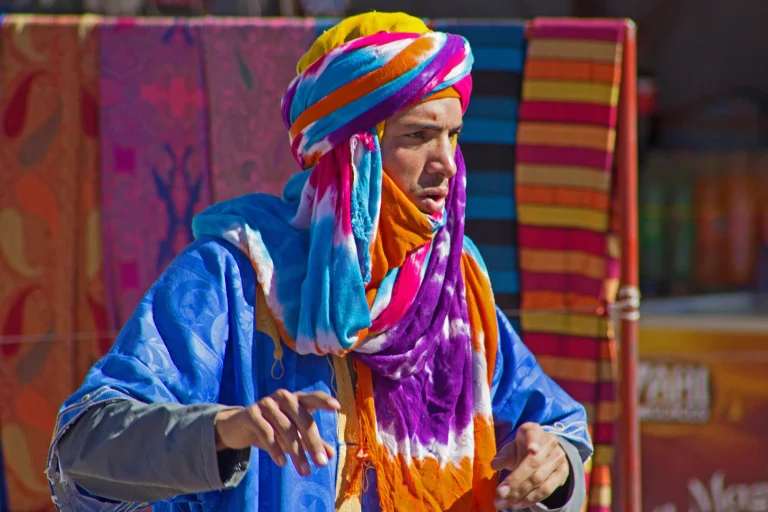
Tuareg: Nomadic desert dwellers, often called “Blue People.” Their society is matrilineal — inheritance comes through women!
Other cultural gems:
Food: Think couscous, tagine, and berkoukes (tiny handmade pasta balls in broth).
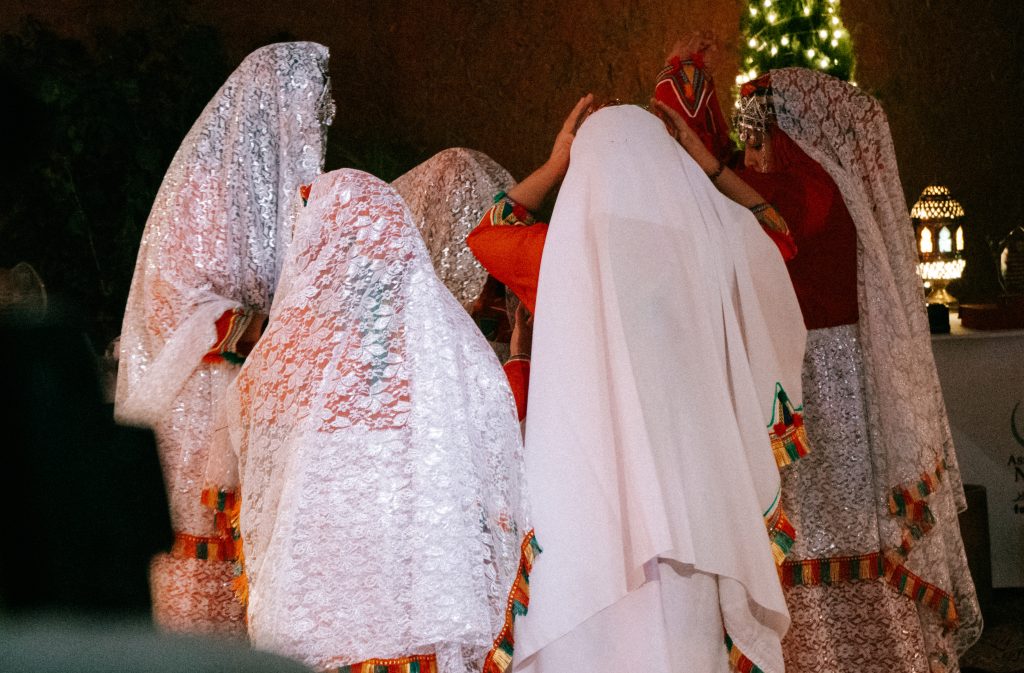
Fashion & Tattoos: Traditional Amazigh dress and jewelry are rich with symbolism. Facial tattoos once told stories about tribe, marriage, and protection.
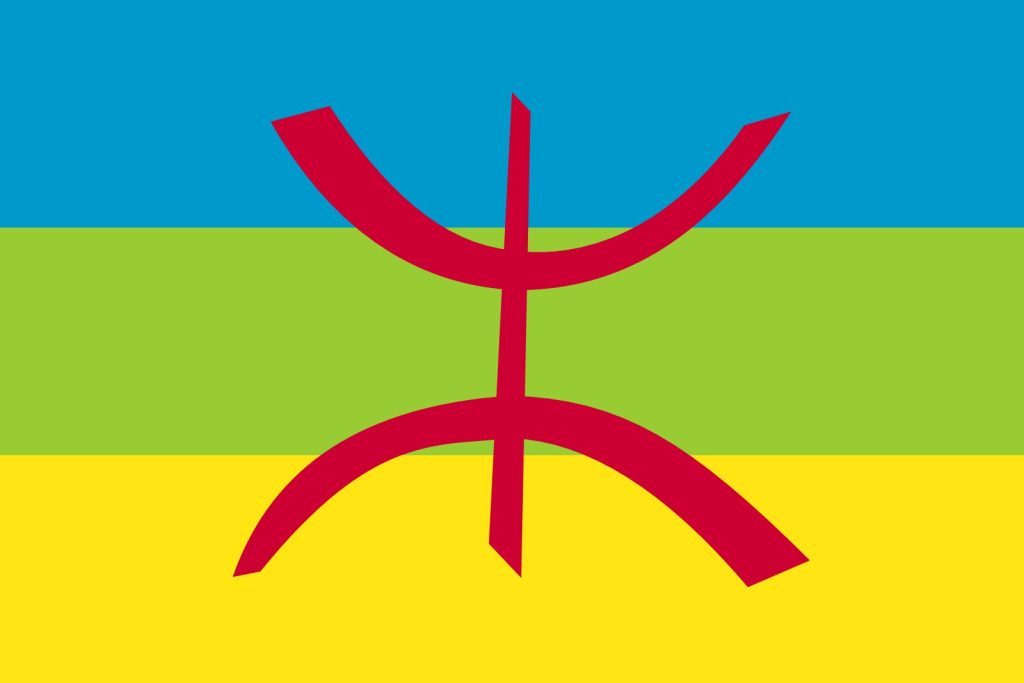
Amazigh flag
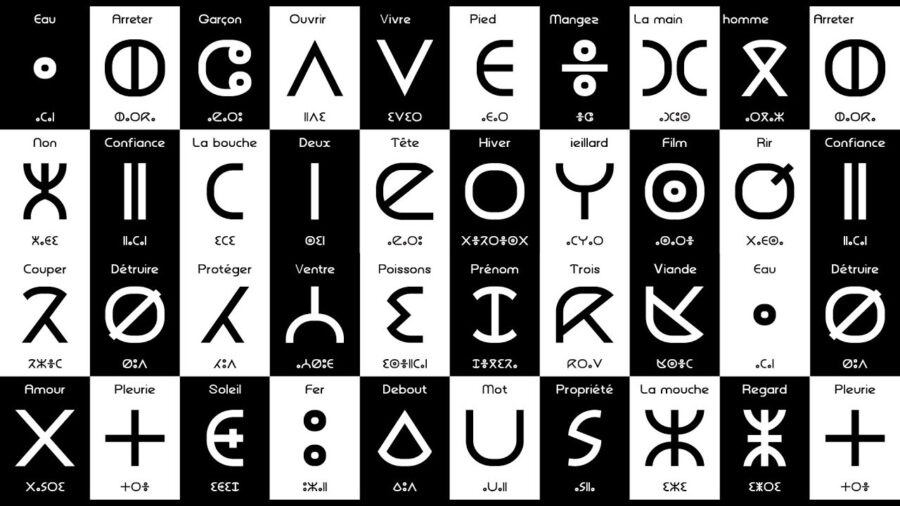
Tifinagh alphabet
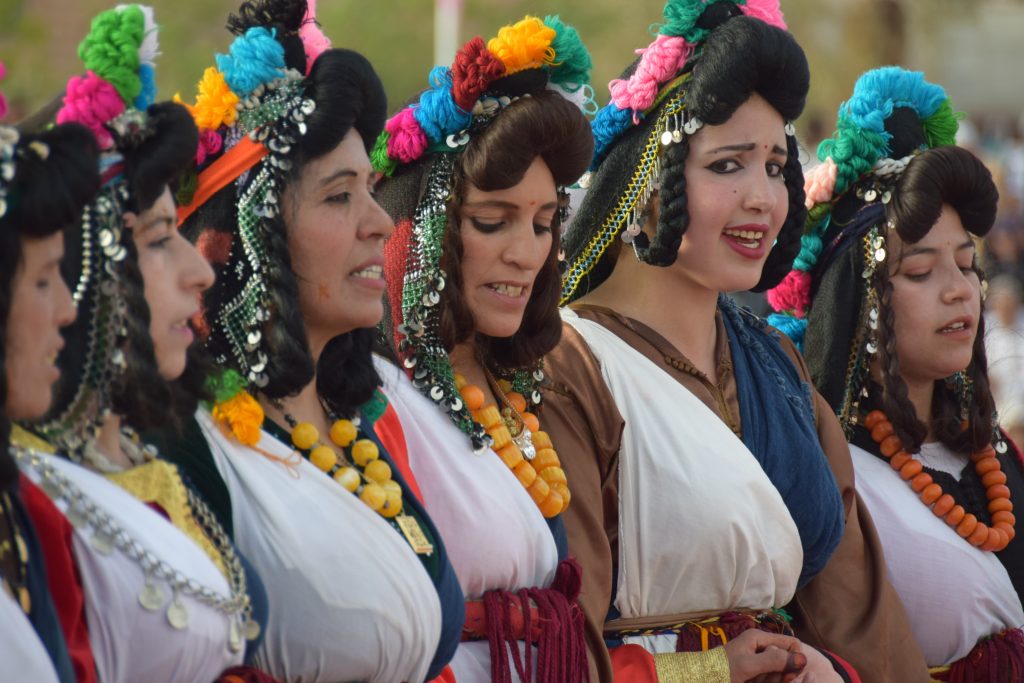
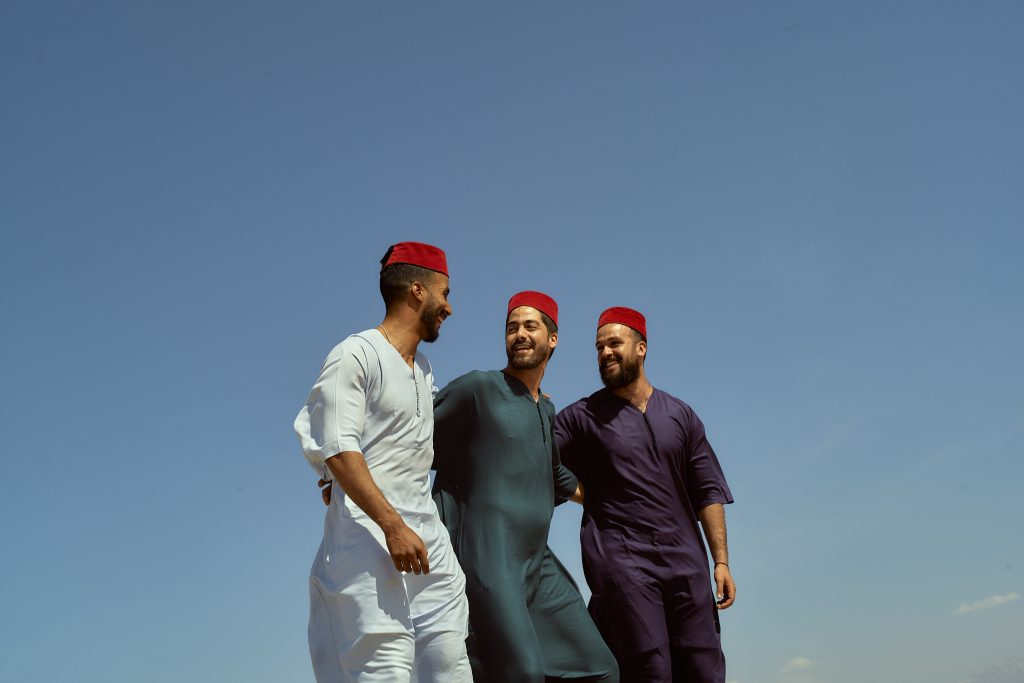
Northern Amazigh
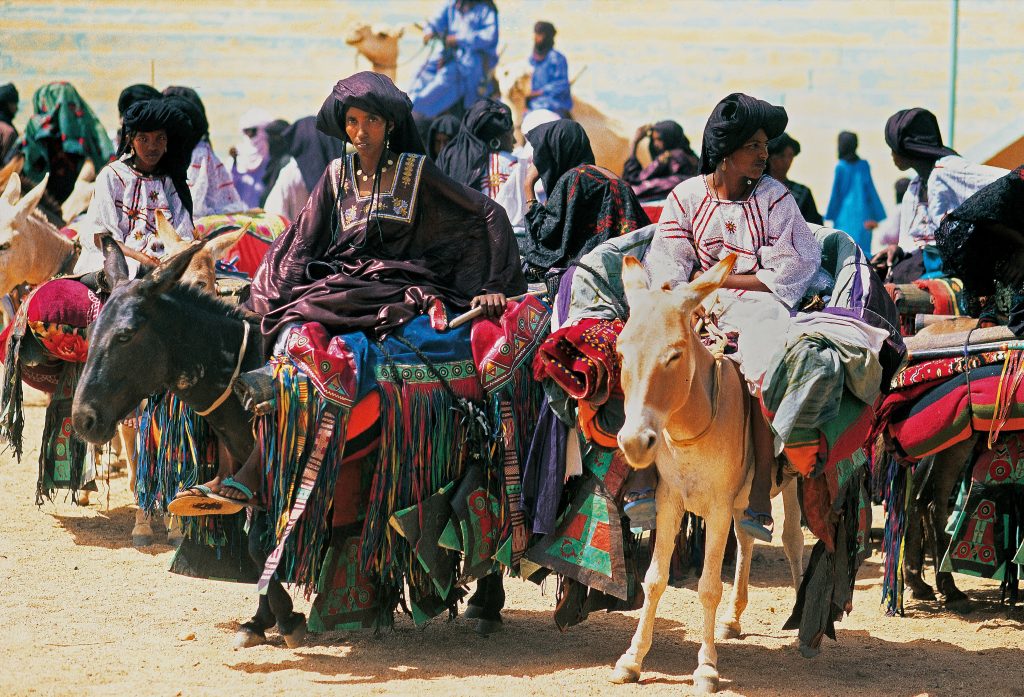
Tuareg Amazigh
So… Why Do Some Refuse to Be Called Arab?
It all boils down to cultural revival vs. political pressure.
After independence, governments pushed for Arabisation: Arabic in schools, media, business, and politics. It was a way to break from colonial influence but for many Amazigh, it felt like cultural erasure.
Then came the “Amazigh Spring” in the 1980s, a cultural awakening demanding language rights and identity recognition. It intensified in 2001 after the killing of an Amazigh student, triggering the “Black Spring” protests in Algeria.
The result?
Tamazight became an official language (Algeria in 2016, Morocco in 2011)
Amazigh names were legalised
Cultural pride exploded, through music, social media, fashion, and activism.
Today’s Reality: A Blended Identity
Most North Africans today are Amazigh by ancestry, even if they speak Arabic or identify with Arab culture. Many are proudly multilingual — flipping between Arabic, French, Spanish, and Tamazight.
And this identity tension still shows up everywhere:
During the 2022 World Cup, some Moroccan players called it an Arab victory. Others? Amazigh pride.
On TikTok and Instagram, you’ll often see debates over who gets to define “North African” identity.
On the ground, some villages speak only Tamazight. Others mix everything.
Concluding Thoughts...
Whether someone from North Africa identifies as Arab or Amazigh, or both, it’s personal. It’s shaped by family, language, history, and lived experience.
But what’s clear is this: Arab culture may have influenced the region, but Amazigh identity has never disappeared. It’s alive, complex, and continues to evolve in powerful ways.
So, next time you meet someone from the Maghreb, maybe don’t assume they’re Arab. Ask them. Listen. You might just uncover one of the most fascinating cultural stories in the world.
For more insights into unique cultures, subscribe to my free newsletter below!